Under the tarp
The standard.
Light, quick, open to the sky.
Camp craft
No hotels on these routes. Just a tarp, a fire, and the skills to make them work.
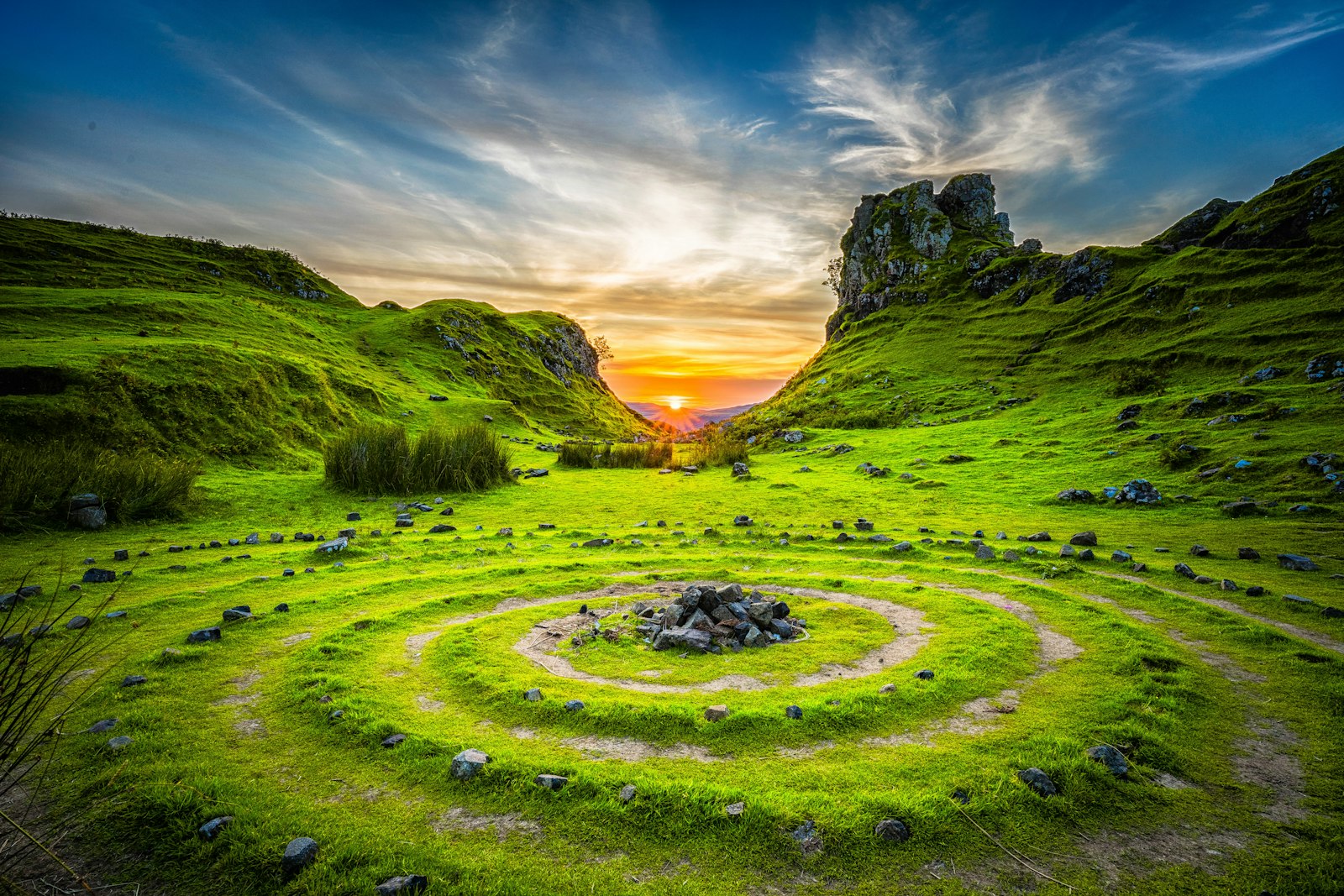
When the riding stops, camp begins. Unsaddle, water the horses, pick a spot out of the wind. String a ridge line, peg the tarp, gather wood, light a fire. Cook. Eat. Sleep.
You don't need to know any of it before you come. You'll learn by doing it, next to people who've done it a lot.
Tarp pitches for wind, rain and clear nights. Lean-tos, A-frames and the one that works when nothing else does.
Finding dry wood in wet country. Lighting it, keeping it going, and putting it out properly.
Where to find it, how to make it safe.
Six knots that solve most problems: bowline, taut-line hitch, clove hitch, trucker's hitch, sheet bend, highwayman's hitch.
One pot, one fire, very good food when you're that hungry.
Picket lines, hobbles, grazing, checking feet and backs.
The camp should look untouched when we ride away.
The standard.
Light, quick, open to the sky.
Tarp, a fallen log, a fire in front.
Ger, yurt, puesto, mountain hut:
When the route passes one and the family invites us in.
For when the weather wins.
Tarps, ropes, cooking kit, a fire kit, group first aid, horse kit, tents, sleeping bags, mobility vehicles, and horses.
A headtorch, layers you can ride in that keep you warm, and a knife where it is legal to carry one.
Camps are chosen and run by The Frontiersmen. Fires only where the ground and the local rules allow it, and we drown them before we leave. A guide carries the group first-aid kit. If someone is hurt, we stop, treat what we can, and get to the nearest road.